


Consumers are increasingly abandoning mass-produced, injection-molded plastics in favor of sustainable, unique eyewear options. When assessing material alternatives, the question frequently arises: are wood sunglasses good? As an industry practitioner manufacturing optical frames and sunglasses for global markets, we must bypass the marketing rhetoric and look strictly at material science, structural engineering, and daily usability. Buying a pair of wooden frames is not merely an aesthetic choice; it represents a fundamental shift in how you maintain and interact with your eyewear.

We see countless startup brands importing cheap, solid-cut bamboo frames and marketing them as premium eyewear. These products inevitably warp, splinter, or snap under minimal stress. In contrast, expertly crafted layered wood or hybrid wood frames offer unparalleled comfort, hypoallergenic properties, and a completely unique aesthetic profile. This guide will provide an uncompromising, professional assessment of wooden eyewear to help you make an informed commercial or personal purchasing decision.
Quick Answer: Are Wood Sunglasses Good?
Yes, wood sunglasses are exceptionally good if you purchase expertly engineered, layered (laminated) wood or hybrid frames equipped with spring hinges. They are incredibly lightweight, hypoallergenic, sustainable, and visually unique, as no two wood grains are identical. However, they require practical judgment: wood is rigid and cannot be micro-adjusted with heat like traditional acetate. If you subject your eyewear to extreme moisture, rough handling, or heavy-duty sports, a full-wood frame is a poor choice. For everyday lifestyle use and fashion-conscious buyers, premium wooden frames are an outstanding, high-value investment.
Table of Contents
- What It Is: The Anatomy of Wooden Eyewear
- How It Works: Manufacturing and Engineering
- The Unmatched Benefits of Wood
- Limitations and Practical Drawbacks
- Who Should Use It
- Who Does Not Need It
- Common Mistakes Buyers Make
- Critical Buying Considerations
- Expert Recommendation
- Summary and Comparison Tables
- Frequently Asked Questions
What It Is: The Anatomy of Wooden Eyewear
Wooden eyewear refers to sunglasses or optical frames where the primary structural components (the chassis and the temples) are crafted from organic timber. The materials used range from rapidly renewable resources like bamboo to premium hardwoods such as walnut, ebony, zebrawood, and rosewood. To answer if are wood sunglasses good, you must first understand that not all wood frames are created equally.
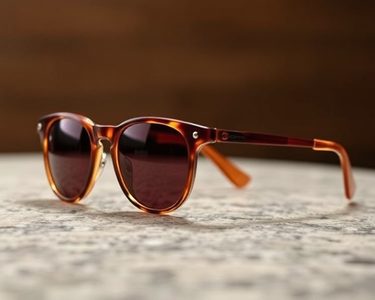
There are three primary architectural categories on the market. The first is solid-cut wood, which is carved from a single block of timber. The second, and vastly superior method, is laminated (or layered) wood, where multiple thin veneers are cross-grained and glued together under immense pressure. The third is hybrid eyewear, which blends wood temples with other robust materials. For commercial users sourcing inventory, understanding these distinctions dictates product lifespan and return rates.
How It Works: Manufacturing and Engineering
The engineering behind premium wooden eyewear is remarkably complex. Raw timber must be kiln-dried to specific moisture content to prevent post-manufacturing warping. From our experience, the best manufacturers utilize high-precision 5-axis CNC machines to cut the initial frame shapes, followed by extensive hand-sanding to achieve a flawless, ergonomic finish.
Unlike plastic, wood lacks natural flexibility. To compensate for this, high-quality wooden sunglasses rely heavily on specialized hardware—specifically double-spring stainless steel hinges. These hinges allow the temples to hyper-extend outward, accommodating various head widths without placing structural stress on the wooden hinge joint. Finally, the frames are treated with non-toxic, water-resistant sealants (such as beeswax or plant-based varnishes) to protect the porous material from sweat, humidity, and atmospheric moisture.
The Unmatched Benefits of Wood
When engineered correctly, wood offers distinct advantages that traditional petrochemical plastics simply cannot match.
- Extreme Lightweight Comfort: Wood, particularly bamboo, is significantly lighter than acetate or metal. For individuals who suffer from headaches or bridge-of-nose fatigue from heavy sunglasses, wooden frames provide immediate relief.
- Absolute Uniqueness: Because of the natural variations in tree growth, wood grain is analogous to a human fingerprint. Even if a factory produces ten thousand pairs of walnut sunglasses, no two will look exactly alike.
- Hypoallergenic Properties: In most professional situations dealing with sensitive skin, we recommend wood. High-quality wooden frames finished with natural waxes are entirely devoid of the toxic plasticizers and nickel alloys that frequently cause contact dermatitis.
- Eco-Conscious Profile: Ethically sourced wood is biodegradable and renewable. Brands prioritizing PC wood sunglasses or bamboo alternatives drastically reduce their carbon footprint compared to petroleum-based injection molding.
Limitations and Practical Drawbacks
We must apply commercial and practical judgment: wood is not a flawless miracle material. It has inherent limitations that consumers must understand.
The most significant drawback is the lack of adjustability. If you purchase Acetate eyeglasses, an optician can heat the frame and bend the temples or bridge to perfectly fit your asymmetric facial structure. Wood will scorch, crack, or snap if subjected to heat bending. What you buy is exactly what you get.
Furthermore, while treated wood is water-resistant, it is not waterproof. For heavy-duty applications like deep-sea fishing, surfing, or leaving the glasses submerged in a chlorinated pool, wood will eventually absorb moisture, swell, and delaminate. They require mindful ownership.
Who Should Use It
We recommend wooden sunglasses for lifestyle consumers, fashion-forward professionals, and environmentally conscious buyers. They are exceptional for driving, casual beach days, outdoor festivals, and urban commutes. If you value artisanal craftsmanship and want a conversational accessory that breaks the monotony of generic black plastic, Wooden eyeglasses are a phenomenal choice.
Who Does Not Need It
For beginners looking for a “beater” pair of sunglasses to throw carelessly into a gym bag, wood is a poor choice. If you are engaged in high-impact sports, construction work, or activities where the frames will face frequent blunt force trauma or prolonged water submersion, you do not need wooden frames. You should opt for TR90 memory plastics or rubberized polycarbonates.
Common Mistakes Buyers Make
In our testing, the most catastrophic mistake consumers make is purchasing cheap, solid-piece wood frames from unverified marketplace sellers. Solid wood cut along a single grain line acts like a piece of firewood; minimal pressure along the grain will cause it to split cleanly in half.
Another common error is failing to maintain the wood. Much like high-end leather, premium wood benefits from occasional conditioning. Exposing the glasses to saltwater and leaving them to bake on a hot car dashboard will rapidly degrade the protective sealant, leading to a dull, dry finish.
Critical Buying Considerations
To guarantee your investment survives daily use, audit your purchase against these criteria:
- Construction Type: Demand cross-grained, layered (laminated) wood. This multi-directional grain structure provides the tensile strength necessary to prevent snapping.
- Hinge Quality: Never buy wooden frames with standard barrel hinges. The rigidity of the wood will rip the screws out of the chassis. You must insist on flexible spring hinges.
- Hybrid Designs: If you love the wood aesthetic but fear the fragility, opt for hybrid models. We highly recommend Metal wood sunglasses or TR90 wood sunglasses. These utilize durable metal or flexible plastic for the front chassis while featuring stylish wooden temples, offering the best of both material sciences.
Expert Recommendation
From our experience as a leading global manufacturer, the debate over are wood sunglasses good is settled by the manufacturing quality. We unequivocally recommend hybrid wooden eyewear for the majority of consumers. By combining an acetate, metal, or TR90 front chassis with laminated wood temples, you achieve maximum structural integrity, prescription lens compatibility, and the stunning natural aesthetic of timber. If you are sourcing for retail, ensuring your supplier understands this balance is the difference between a bestselling collection and a wave of customer returns. Learn more About LONSY EYEWEAR and how we engineer these solutions.

Lonsy Eyewear – Professional Eyewear Manufacturer
Lonsy is an experienced eyewear factory focused on high-quality and handmade sunglasses and optical frames. Materials we use include: acetate, metal, and wood. Making sure that our customers can easily get wholesale sunglasses and eyeglasses, we have created a complete eyewear collection, including acetate sunglasses, metal sunglasses, wooden sunglasses, eco-friendly bamboo sunglasses, eyeglasses, and accessories.
We have more than 500+ models ready in stock to choose from. These glasses are all at wholesale price, but excellent quality. Custom glasses design and custom logos are no problem either.
Discover Why Choose LONSY EYEWEAR
Summary and Comparison Tables
| Feature | Specification / Verdict |
|---|---|
| Weight | Extremely light (often 20-30% lighter than acetate) |
| Durability | High for layered wood; Poor for single-cut solid wood |
| Adjustability | None. Cannot be heat-adjusted. |
| Best Use Case | Lifestyle, casual wear, fashion accessory |
| Eco-Friendly | Yes, particularly bamboo and FSC-certified woods |
| Material | Flexibility & Adjustability | Weight | Aesthetic Appeal | Water Resistance |
|---|---|---|---|---|
| Laminated Wood | None (Rigid) | Very Light | Unique, organic grain | Moderate (Water-resistant, not waterproof) |
| Cellulose Acetate | Excellent (Heat adjustable) | Heavier | Rich colors, transparent options | High |
| TR90 Memory Plastic | Extreme (Bends and snaps back) | Ultra-Light | Matte, sporty finish | Absolute Waterproof |
| Pros (Advantages) | Cons (Limitations) |
|---|---|
| Unparalleled natural aesthetic and unique wood grain. | Cannot be molded or adjusted to fit asymmetrical faces. |
| Highly sustainable alternative to petroleum-based plastics. | Requires spring hinges to prevent frame breakage. |
| Hypoallergenic material, ideal for sensitive skin. | Prolonged submersion in water will damage the finish. |
| Some woods (like bamboo) naturally float in water. | Solid-cut (non-layered) frames split easily under pressure. |
Frequently Asked Questions
Are wood sunglasses good for the environment?
Yes. Compared to injection-molded polycarbonate frames that require fossil fuels to produce, wooden frames are significantly more sustainable. Bamboo, in particular, is a rapidly renewable grass that requires no pesticides and minimal water to grow, making it one of the most eco-friendly materials in the optical industry.
Can you put prescription lenses in wooden frames?
This depends heavily on the manufacturer. High-quality layered wood frames with a hidden metal rim or screw-release eye wires can safely hold prescription lenses. However, cheap, solid-cut wood frames will likely crack when an optician attempts to cold-snap a custom lens into the groove. We recommend hybrid frames if you require heavy prescription lenses.
Do wood sunglasses float?
Some do, but not all. Bamboo sunglasses are inherently less dense than water and will easily float, making them great for light water activities. Denser hardwoods like ebony or rosewood will sink. Always test your frames in a controlled environment before relying on them to float in open water.
Authoritative Industry References
To ensure engineering rigor and compliance with global optical standards, our evaluations reference data from the following authoritative bodies:
- Forest Stewardship Council (FSC) – The global standard for responsible forest management, dictating the ethical sourcing of raw timber used in premium eyewear manufacturing.
- American National Standards Institute (ANSI) – Specifically ANSI Z80.3, the strict regulatory standard for nonprescription sunglasses and fashion eyewear performance and safety.
- U.S. Food and Drug Administration (FDA) – Mandated impact resistance standards (21 CFR 801.410) required for all lenses housed within commercial optical frames to prevent catastrophic eye injury.




Recent Comments